

Replacement AirPod Not Connecting? Here’s How to Fix It

Replacement AirPod Not Connecting? Here’s How to Fix It
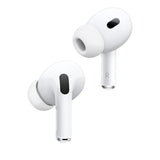
Replacing a lost or damaged AirPod is convenient, but sometimes the replacement earbud refuses to connect with the original one. This issue usually happens due to model mismatches, firmware differences, or pairing errors.
If your replacement AirPod is not connecting properly, a few simple checks can help identify the problem and fix it quickly.
Check If the AirPods Are the Same Model
The most common reason for connection issues is different AirPods models.
Each AirPods generation uses different hardware and firmware, which means they cannot pair with other generations.
For example:
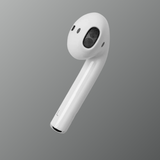
- AirPods 1 cannot pair with AirPods 2
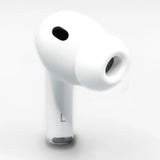
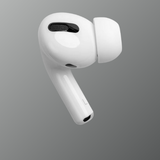
- AirPods Pro 1 cannot pair with AirPods Pro 2
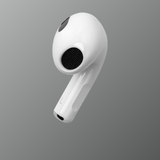
- AirPods 3 cannot pair with AirPods 2
If the models are different, the AirPods may show a mismatched AirPods message and fail to connect.
Mismatched airpods error explained

Make Sure Firmware Versions Match
AirPods rely on firmware to communicate with each other. If the replacement AirPod has a different firmware version, pairing may fail temporarily.
To allow the firmware to sync:
- Place both AirPods inside the charging case
- Connect the case to a charger
- Keep it close to your iPhone for about 30 minutes
During this time, the AirPods may automatically update and synchronize.
Reset the AirPods and Pair Again
If the models match but the connection still fails, try resetting the AirPods.
Steps to reset:
- Place both AirPods in the charging case
- Close the lid for 30 seconds
- Open the case lid
- Press and hold the case button until the light flashes
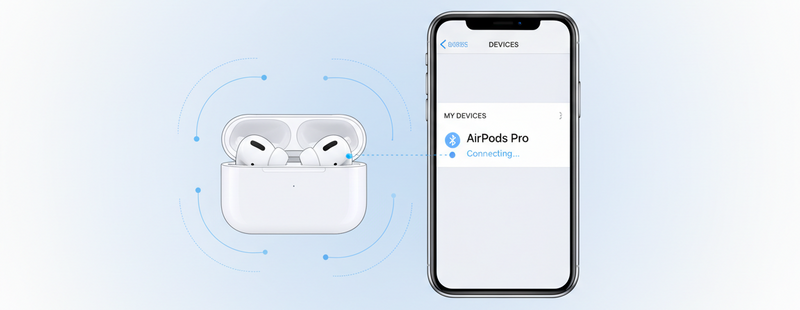
- Reconnect the AirPods to your iPhone
Resetting removes old pairing data and allows a fresh connection.

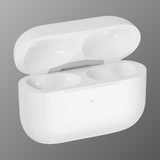
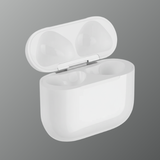
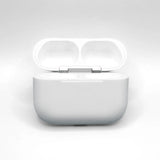
Check the Charging Case Compatibility
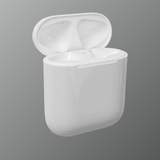
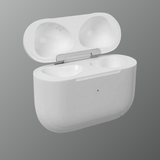
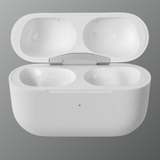
Sometimes the charging case itself may not match the AirPods model.
For example:
- AirPods 1 case cannot pair AirPods 3
- AirPods Pro 1 case cannot pair AirPods Pro 2
Always ensure the charging case belongs to the same AirPods generation.
Confirm Left and Right Replacement AirPods
When purchasing replacements, make sure you buy the correct side.
AirPods are sold as:
- Left AirPod replacement
- Right AirPod replacement
If the wrong side is purchased or installed incorrectly, pairing issues may occur.
Buy genuine apple airpods replacement

Conclusion
If your replacement AirPod isn’t connecting, the issue usually comes down to model mismatch, firmware differences, or pairing errors.
Checking the AirPods generation, updating firmware, and resetting the AirPods can often solve the problem quickly. If the models are different, replacing the incorrect AirPod with the correct one is the only reliable solution.
Need a reliable replacement AirPod?
Explore genuine Apple AirPods and replacement options at Swapex.
FAQs
Why won’t my replacement AirPod connect?
This usually happens when the replacement AirPod belongs to a different model or firmware version.
How do I pair a replacement AirPod?
Place both AirPods in the case, reset them, and reconnect them to your iPhone.
Can different AirPods generations work together?
No. AirPods from different generations cannot function as a pair.
How long does it take for AirPods firmware to update?
Firmware updates usually happen automatically while charging and connected to an iPhone.
Can a replacement AirPod work with any charging case?
No. The charging case must match the AirPods generation.